REMIANS DEBATING SOCIETY

Bangladesh’s Economy: Numbers That Determine the Future
3/15/20266 min read
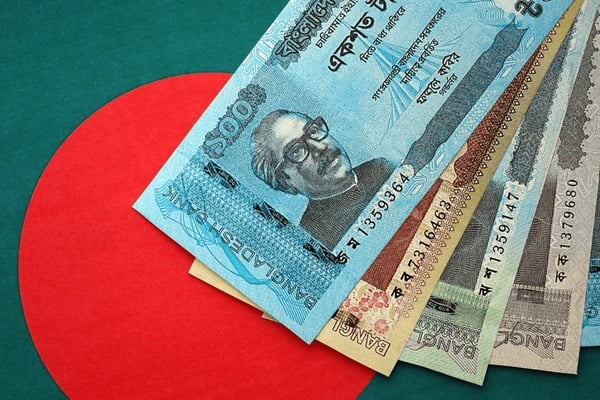

When discussing Bangladesh’s economy, the focus often shifts to headlines like GDP growth, inflation spikes, currency changes, or major infrastructure projects. These figures dominate political speeches and media discussions. However, beneath these numbers lies a complex system involving institutions, policies, and political power. To truly understand Bangladesh’s economic future, we need to consider not just the numbers themselves but also how they are created, managed, and sometimes altered.
Bangladesh’s economy does not emerge merely from market forces. It is influenced by a mix of fiscal policy, monetary policy, political incentives, and institutional limits. The numbers steering the country’s future—budget deficits, tax revenues, inflation rates, foreign exchange reserves, and exchange rates—are ultimately products of decisions made within this framework.
Grasping these mechanisms is vital because the path of Bangladesh’s economic development relies less on optimistic forecasts and more on how well these institutions handle economic realities.
The Budget: Where Economic Priorities Begin
The national budget is possibly the most critical economic document in Bangladesh. It outlines how the government will collect and spend money over a fiscal year. In theory, the budget reflects national priorities such as education, healthcare, infrastructure, social protection, and economic development.
However, the budget process itself reveals several structural features of Bangladesh’s economic governance. Planning starts in the Ministry of Finance months before the budget reaches parliament. Different ministries propose spending needs, and the National Board of Revenue estimates how much tax can realistically be collected. Because Bangladesh historically has one of the lowest tax-to-GDP ratios in the world, a gap often exists between what ministries wish to spend and what the government can actually afford.
To handle this imbalance, the Ministry of Finance sets spending limits and negotiates with various ministries. Simultaneously, development projects are coordinated through the Planning Commission and the Annual Development Programme (ADP), which decides which infrastructure projects receive funding.
The budget is then submitted to parliament, debated, and approved—usually with few changes due to the ruling party’s majority. This means economic planning in Bangladesh is mostly driven by the executive rather than the legislature.
Even after approval, another challenge emerges: implementation. Historically, actual government spending often does not meet planned allocations. Economists estimate that only about 80 to 85 percent of the budget is eventually implemented, with unspent funds either returned or reallocated at the end of the fiscal year.
This gap between planning and execution has significant consequences. It leads to delays in infrastructure projects, underdeveloped public services, and longer timelines to achieve development goals.
In other words, the budget figures are important, but the ability to implement them is even more crucial.
The Two Drivers of the Economy
Bangladesh’s economic management largely centers around two institutions: the Ministry of Finance and Bangladesh Bank.
The Ministry of Finance oversees fiscal policy, including taxation, government spending, subsidies, and public debt. Its main focus is on allocating resources and funding development programs. Bangladesh Bank, on the other hand, manages monetary policy. It regulates the banking sector, controls the money supply, and strives to maintain financial stability.
In theory, these two institutions should complement each other. Fiscal policy encourages growth through public spending, while monetary policy seeks stability by controlling inflation and credit growth. In practice, however, their relationship is more complex. The Ministry of Finance faces strong political pressure to deliver visible results, such as large infrastructure projects, social programs, and economic growth. Bangladesh Bank, however, focuses on maintaining macroeconomic stability, which can require unpopular measures, like tightening credit or raising interest rates. This difference in priorities can lead to tension. If the government borrows heavily to fund spending, the central bank may find it difficult to control inflation. Conversely, if monetary policy is overly restrictive, economic growth may slow. Thus, Bangladesh’s economic future relies not only on individual policies but also on how well these institutions work together.
The Question of Central Bank Independence
Another key factor influencing Bangladesh’s economic outlook is inflation. Keeping inflation in check is usually the central bank’s job. However, Bangladesh Bank's ability to manage this issue depends greatly on its independence.
Formally, Bangladesh Bank has legal autonomy. It can set interest rates, regulate banks, and manage foreign exchange reserves. Yet, in reality, political factors often limit this autonomy. The government appoints key officials, and major policy decisions frequently reflect broader political priorities. This limited autonomy creates a delicate balancing act. The central bank must maintain macroeconomic stability while also accommodating government priorities such as fostering economic growth or financing public spending.
Consequently, the system shows autonomy on paper but involves negotiation in practice. This dynamic explains why Bangladesh sometimes struggles with structural financial issues, like rising non-performing loans or enduring inflation.
The Value of the Taka
Few numbers impact daily life in Bangladesh as much as the exchange rate. The value of the Bangladeshi Taka affects import costs, export competitiveness, and consumer purchasing power. Bangladesh uses a managed exchange rate system. This means the Taka's value is influenced by market forces—like trade balances, remittances, and capital flows—but the central bank steps in when necessary to avoid excessive volatility.
For example, when imports surge or when investors shift money abroad, demand for foreign currency climbs. This downward pressure affects the Taka. To stabilize the situation, Bangladesh Bank may sell dollars from its foreign exchange reserves. Conversely, if export earnings and remittances increase, the central bank may buy dollars to prevent the currency from rising too quickly. This balancing act showcases the importance of foreign exchange reserves. If reserves drop too low, the central bank’s ability to stabilize the currency is limited, making it more vulnerable to external shocks.
Therefore, the Taka's strength ultimately reflects deeper economic fundamentals: trade performance, remittance flows, and investor confidence.
Crisis Management and the Politics of Economic Stability
Over the past decade, Bangladesh’s economic governance has faced significant challenges, from global commodity shocks to the COVID-19 pandemic. These crises show how the country’s economic system reacts under pressure. Instead of implementing major structural reforms, the government tends to rely on short-term policy adjustments to maintain stability. Subsidies may be introduced to control prices, import restrictions may be enforced to protect reserves, and emergency loans may be sought from international institutions.
This approach has often helped avoid severe economic collapses during global crises. Nevertheless, it also poses long-term risks. Short-term fixes can create structural weaknesses that reappear later. For instance, large fuel subsidies may keep prices low temporarily but can lead to significant fiscal burdens over time. Similarly, postponing loan repayments during crises may assist businesses in surviving but contribute to the buildup of bad loans in the banking sector.
In this way, Bangladesh’s economic management often resembles a strategy of “muddling through” crises rather than fully resolving them.
The Role of Parliament and Public Accountability
In many democratic systems, parliament plays a central role in shaping economic policy. In Bangladesh, however, Members of Parliament generally do not directly create macroeconomic policy. Those decisions are made by the executive branch, especially the Prime Minister, the Cabinet, and the Ministry of Finance. MPs mainly contribute through debate, oversight, and representation. During budget discussions, they raise local concerns, question policy choices, and highlight implementation failures.
However, because the ruling party typically holds a strong majority, parliamentary debates rarely lead to major policy changes. Instead, parliament acts more as a platform for feedback and political legitimacy rather than a decisive policymaking body. This situation reinforces the concentration of economic decision-making power within the executive branch.
Numbers, Power, and the Future
Ultimately, Bangladesh’s economic future will not depend on a single statistic. GDP growth, inflation, foreign reserves, and budget deficits all matter, but they are merely signs of deeper institutional dynamics. Behind every number is a web of political decisions, bureaucratic negotiations, and economic limits. Budgets reflect political priorities, monetary policy is shaped by institutional independence, and crisis management often illustrates the balance between immediate stability and long-term reform.
Understanding this connection between numbers and power is crucial for interpreting economic news. When growth figures rise, we must question whether that growth is sustainable. When inflation rises, we need to know if the central bank has the independence and tools to control it. When large development budgets are announced, the critical issue is whether those projects will be implemented.
Bangladesh has shown remarkable economic resilience over the past several decades. Its private sector especially industries like garments and agriculture has frequently adapted to crises and changes in global markets. Community networks, remittance flows, and international partnerships have also helped stabilize the economy in tough times.
Yet resilience alone is insufficient for ensuring long-term prosperity.
The numbers that determine Bangladesh’s future will ultimately depend on deeper structural reforms: improving tax collection, strengthening financial practices, and enhancing overall governance.

CONTACT US

REMIANS DEBATING SOCIETY is the DEBATE CLUB of Dhaka Residential Model College functioning since 2008 with a vision of developing thinkers.
© 2026 - REMIANS DEBATING SOCIETY
BLOGS